
Back to Insight
Article
BrightonSEO: it's time to start walking the walk

Mike Logue
SUMMARY
After 2 days immersed in all things AI Search and GEO, I had four key takeaways:
(1) The future of organic search is already here, brightonSEO needs a rebrand to brightonGEO
(2) Too many brands measure their success in AI Search through referral traffic. Those who do have completely missed the change in consumer behaviour
(3) The stage was dominated by theory, but we need to move the conversation on to results
(4) No one has all the answers, and anyone who says they do is lying. Test and learn is the only approach which can be relied upon in a channel evolving as quickly as AI Search is
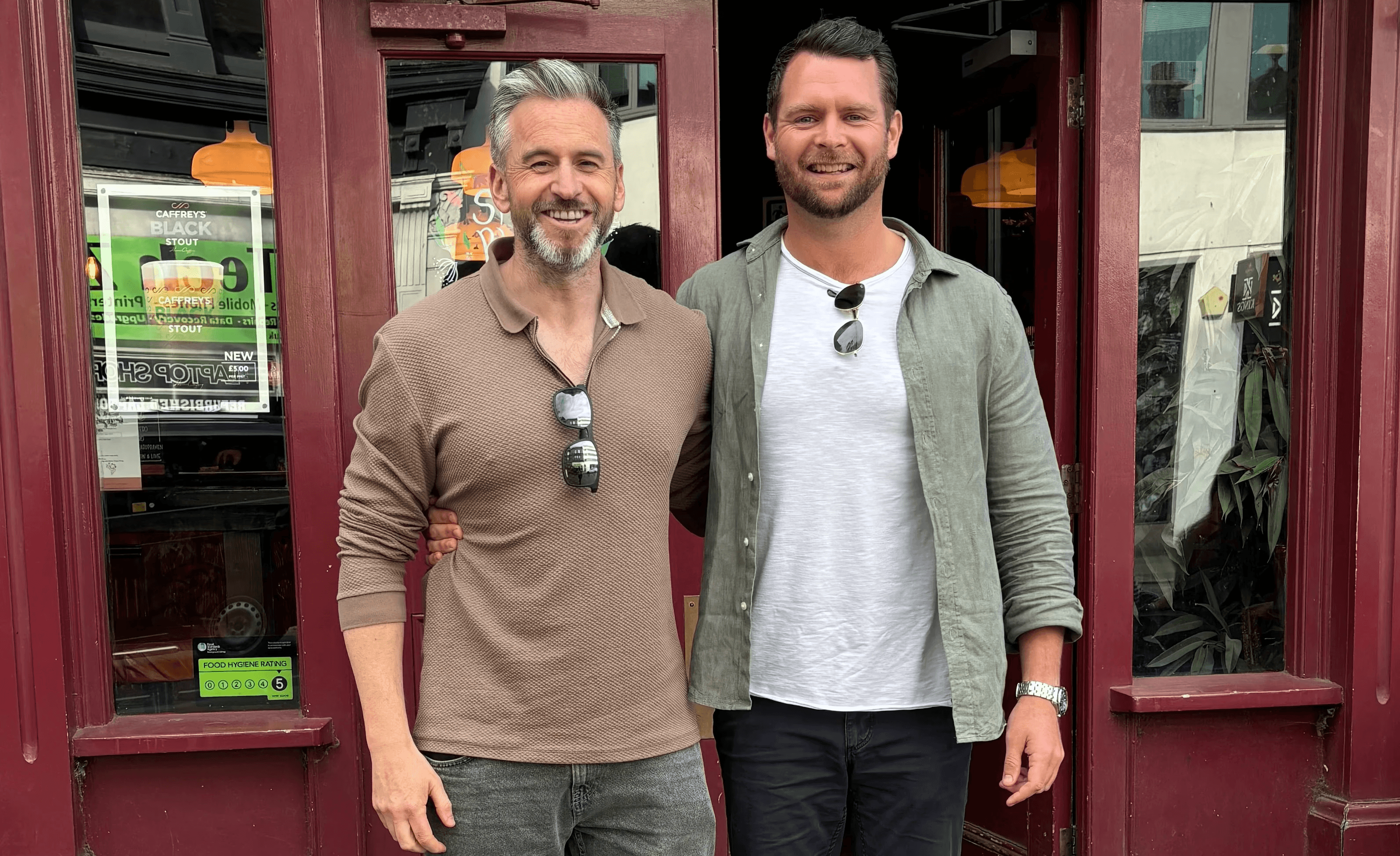
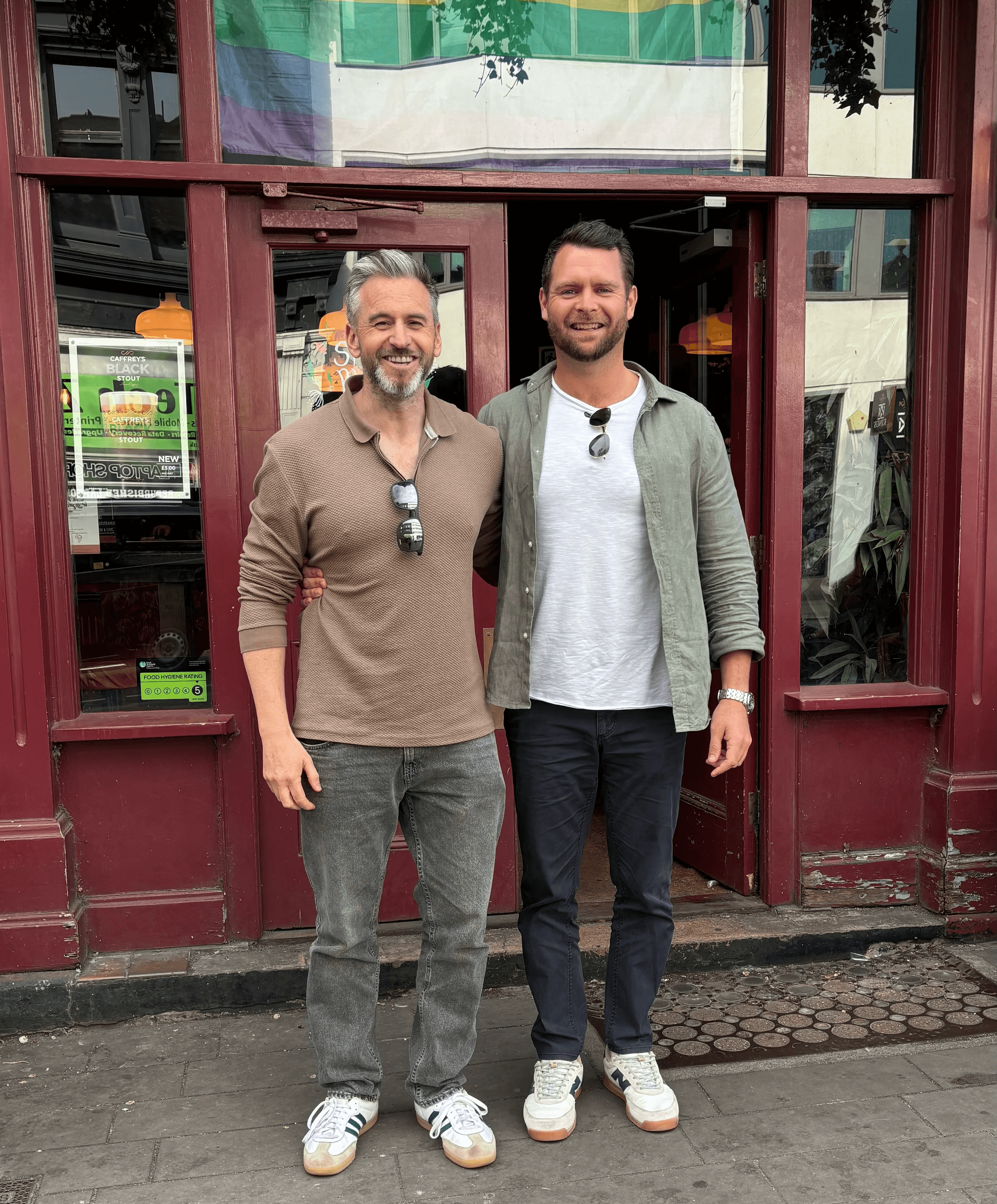
Hello brightonGEO: my four reflections from two days at the AI Search coalface
I made the trip down to the south coast for my first brightonSEO earlier this month. After two days of presentations, pitches, hallway chats and the inevitable late-night pub debates, I've come away with one overwhelming conclusion:
The conference needs a rebrand.
Welcome to brightonGEO.
The "future of search" is already here
AI Search. GEO. AEO. AIEO. LLM visibility. Whatever name you prefer, the industry has accepted that SEO's younger sibling is growing up quickly.
This wasn't a fringe topic tucked into a side track, it was the rasion d'être of this year's conference. The speakers who pulled the biggest crowds were the ones talking about how ChatGPT, Perplexity, Claude, Gemini and Google's AI Overviews are reshaping how people find, evaluate and choose brands.
If you walked the floor at this conference expecting blue-link tactics and keyword research talks, you were in the wrong place.
The future might be here, but many are still measuring it wrongly
If I had a pound for every time I heard the phrase "traffic from AI Search remains low," I'd be writing this from a yacht.
Yes - for many brands, the direct referral traffic from AI Search platforms is still a fraction of what they get from Google's organic results. Of course it is. Anyone who understands how consumers use AI Search shouldn't be surprised by this. It's the wrong metric to obsess over because it completely ignores the underlying shift in behaviour: we are now firmly in the zero-click era.
People are using AI Search to research, compare, validate and shortlist. Then once they've made a decision they're typing your brand name directly into Google, or going straight to your site or your competitors'. If you only track "AI Search referrals" in GA4, you're going to conclude that nothing is happening. Meanwhile, your share of voice in the place where buyers are actually making decisions is being decided without you in the room.
At Obsero, we encourage every brand we work with to measure four metrics:
AI Search mention rate - how often does your brand come up in relevant AI Search responses?
AI Search share of citations - when sources are cited, how often are they yours versus competitors'?
Proportion of traffic from direct and branded organic search - the most reliable downstream signal of AI Search influence on a buyer journey. Want to go a step further? Also benchmark the conversion rate of your direct traffic. We're finding that for the brands winning in AI Search this is spiking up as the "direct" audience moves from being your already-converted customers to prospects who have discovered you through AI Search
Proportion of new customers who mention AI Search in "where did you hear about us?" surveys - the qualitative truth-teller. It might seem like we're back in the '90s here, but ask the question. The answers are getting more interesting every quarter.
Track these four together and you hame a mix of metrics which measure your influence in and over AI Search answers, and the impact on your business' growth.
Lots of theory. A lack of case studies and celebrations of success (and failure)
My third reflection is more uncomfortable, but perhaps unsurprising given the confusion around measurement. There was a lot of conversation about frameworks, models and analysis. There was very little in the way of "here's what we did, here's what it cost, here's what it drove."
The channel is young, the playbook is unclear, and attribution is genuinely hard and so maybe I shouldn't be surprised. But the cynic in me thinks it's part goal incongruence, part ignorance and part fear.
Why goal incongruence? Marketers and agencies are happy just to show their CMO that they're doing something to try to win in this emerging channel. But we should be measuring our marketers on metrics not effort. And the framework above is one that any business can use to do so.
Why ignorance? BrightonSEO was a meeting of the most curious and the most knowledgable in the industry. And yet there were still many in the room who saw AI Search as someone else's problem to solve for. The crossover between SEO and GEO is huge. If you're an SEO professional then upskilling yourself in GEO is an obligation, not an option.
Why fear? No one likes failing. But the playbook isn't yet written for GEO like it has been over the decades for SEO, and so many are waiting for the answer to land in their laps before they commit to the channel as a driver of growth. This is a huge missed opportunity, those who experiment based on data-driven hypothesis can win today. They just need to be willing to fail along the way and learn as much from those failures as from their successes.
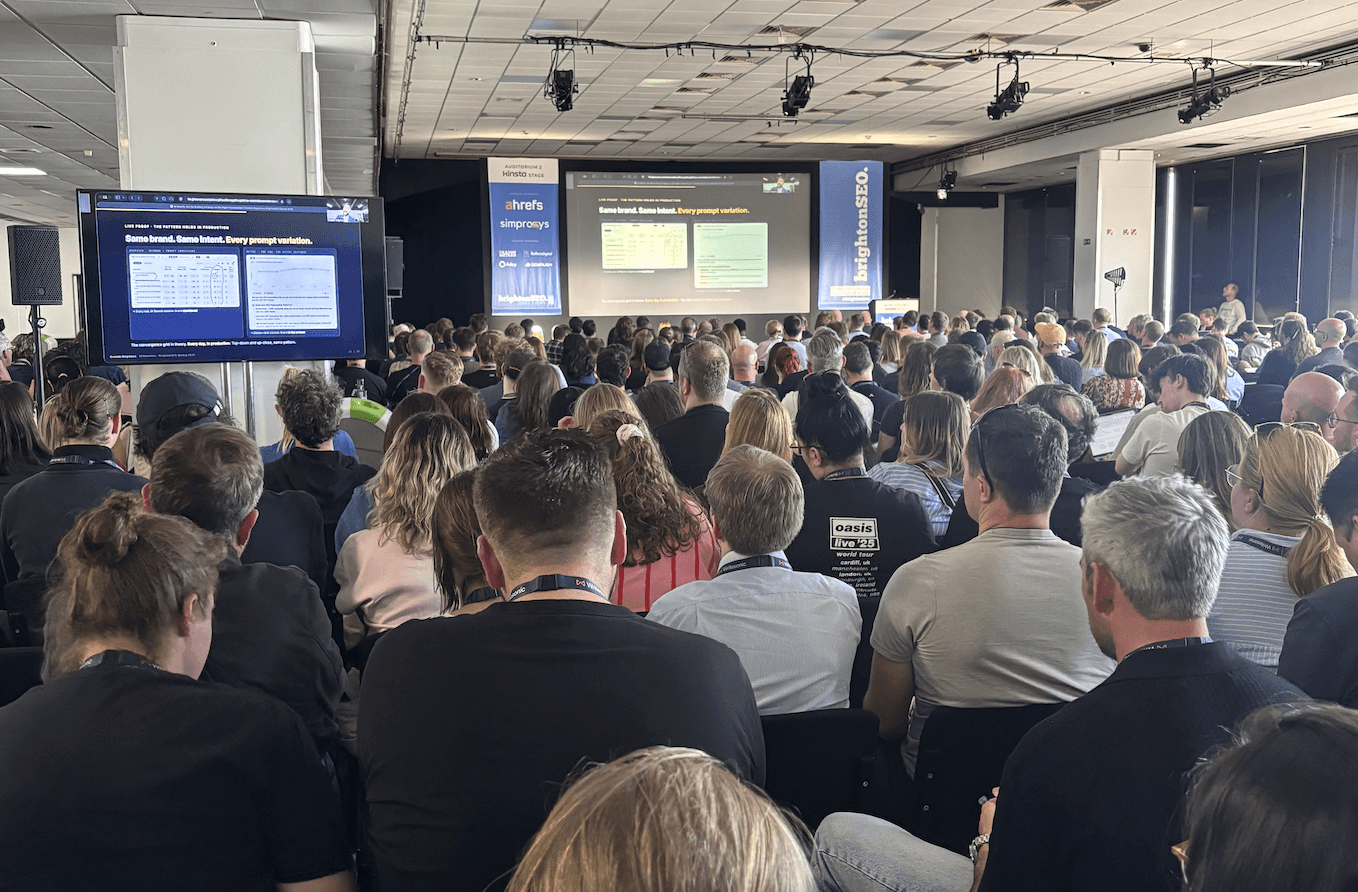
We need fewer methodology slides and more case studies with numbers next to them. The agencies and platforms that win in the next 12 months will be the ones who can answer one question clearly: what did this do for the business? At Obsero we have insisted our clients hold us to account on this from day 1, and will continue to do so. It's how we believe we'll build long-lasting relationships with our customers based on joint success.
No one has all the answers. Anyone who says they do is lying
This is the one I want every senior marketer to internalise.
The pace of change in AI Search is faster than anything most of us have lived through professionally. The platforms are updating their models, their interfaces and their citation behaviour on a weekly basis. Consumer behaviour is shifting underneath us. Many of the tactics that worked six months ago are already partially obsolete.
Anyone selling you a guaranteed methodology is either selling you outdated tactics dressed up as certainty, or they haven't actually run the experiments themselves.
The only durable approach is the one which operators have always used in fast-moving channels: test and learn. Form hypotheses grounded in a real understanding of the fundamentals of the channel. Run small, fast experiments. Measure the outcomes that actually matter. Double down on what works, kill what doesn't, and stay humble about what you don't yet know.
This is exactly where we built Obsero to sit. We're both a platform - giving brands the measurement, monitoring and visibility they need across the AI Search landscape - and a consultancy. And we're focused solely and wholly on GEO. We bring the data, the deep channel expertise and the learnings from our customers across FinTech, E-comm, fashion, professional services, SAAS, PropTech and more to give brands the greatest chance of success in AI Search.
What will be on the agenda at the next BrightonSEO?
If those were the four themes I took away from this one, here are the four I expect will dominate the next.
1. Which prompts should we actually be tracking?
Every agency, platform and brand is taking a different approach to prompt selection and no one has a deep enough understanding of how consumers are actually engaging with AI Search to know which approach is right. It was the challenge whispered in corridors many times but never attacked head-on from the stage.
Whoever cracks this - credibly, defensibly, with evidence from real user behaviour - will set the standard.
2. AI Search data meets MCPs
Everyone wants data on AI Search. But in a world of MCPs, the bigger prize is joining that data up with first-party data and other third-party sources to build a much richer picture of the buyer journey.
This is the unlock most brands haven't even started thinking about and it's where the next generation of competitive advantage in the channel is going to come from.
3. Native agents vs frontier-lab integration
Many platforms are now building agents directly inside their interfaces. The problem is that those agents lack the context that already lives inside everyone's Claude, ChatGPT and Perplexity instances.
So the question becomes: will marketers actually build and use custom agents inside AI Search platforms? Or will the platforms need to find a way to integrate with the frontier labs themselves? Either way, where AI Search workflows live is going to be one of the defining strategic questions of the next 12 months.
4. Ads - the topic nobody is touching yet
No one was talking about ads in AI Search. Yet. ChatGPT's ad experiments have so far failed to land. But the ads model isn't going away, it's far too valuable to the platforms commercially. I expect the product to evolve quickly, and the intersection of organic and paid in AI Search to be a hot topic sooner rather than later.
So, see you at BrightonGEO in October?
Two days in Brighton confirmed what we've been seeing in client work for months: organic growth has changed, the conversation is catching up, and the brands that will win are the ones who measure the right things, run real experiments, embrace failure and resist the temptation to pretend they have it all figured out.
The future of search is already here. The question for marketers is whether you want to live in the past or leap in to the future.
Growth through intelligence
Capture your brand’s historic visibility, recommendation and sentiment data from AI Search in one intuitive platform
Table of Contents